To protect your brand and maintain a robust supply chain, you need reliable quality control China solutions. Many importers and ecommerce brands face significant risks when relying solely on factory checks in China. Utilizing independent inspection teams for quality control China helps identify issues before products leave the country. The table below illustrates the advantages:
|
Role |
Benefit |
|---|---|
|
Independent inspections |
Detects defects prior to shipping, resulting in fewer issues for importers and brands. |
|
Third-party inspector independence |
Provides unbiased results, enhancing quality and brand safety. |
|
Real-world inspection impact |
A brief delay can prevent costly recalls, saving money for importers and brands. |
You achieve superior quality control China by following a transparent process. FISHGOO supports importers, ecommerce brands, and the entire supply chain with trusted inspection and fulfillment services in China.
Key Takeaways
-
Always use independent inspection teams for quality control in China. They find problems before products ship. This protects your brand.
-
Only using factory checks can cause hidden risks. Factory teams may care more about speed than quality. This can lead to missed defects.
-
Set up a clear quality control process with different inspections. Use pre-shipment, during-production, and audits together. This lowers the number of defects.
-
Talk clearly with suppliers. Give simple instructions and regular feedback. This makes products better and builds stronger relationships.
-
Think about using FISHGOO for quality control. They do inspections and fulfillment. They also help manage your supply chain well.
Why Factory QC Isn’t Enough
Risks of Factory-Only Checks
Some people think factory inspection teams can handle quality control in China. But if you only use them, your business can face hidden risks. Factory workers often care more about speed and saving money. This can make it hard for them to report problems with quality. Many QC staff do not have enough training. Sometimes, they do not use inspection tools the right way. This can cause wrong results about product quality. Cultural differences can also cause confusion. These problems can slow down your shipments. You might get products that are not what you wanted.
Factory QC teams have to meet tight deadlines. They might lower quality standards to finish on time. If something goes wrong, it is hard to know who is responsible. The same team makes the products and checks them. This means missed problems might not be fixed. Factory inspection reports are like checking their own work. If no one else checks, you cannot be sure the reports are true.
Tip: Always use independent inspection teams for quality control in China. They help you find problems before products leave China.
Common Quality Issues
If you only use factory inspection, you will see many quality problems. New factories or new products are even riskier. Factory teams may miss defects when they hurry to finish orders. Over time, quality can get worse. The factory’s own checks may not catch every problem.
Here are some common quality issues you might see:
-
Product details are wrong after inspection
-
Packaging breaks during shipping
-
Parts or accessories are missing
-
There are scratches or stains on products
-
Products do not work right after delivery
Quality control in China needs more than just factory checks. You need clear inspection steps and outside checks. This helps make sure your products are good and keeps your brand safe.
Quality Control China: Options for Importers and Ecommerce Brands
If you buy products from China, you need a good quality control china plan. There are different ways to check product quality. Each way helps you keep your brand safe and avoid big mistakes. You should learn about these options to make your supply chain strong.
Third-Party Inspections
Third-party inspection services give you a fair look at product quality. You pay outside teams to check your goods before they leave China. These inspectors use clear checklists and special tools. They follow strict rules for quality control inspection. You get honest advice and easy-to-read reports.
Here is a table that shows how third-party inspection and in-house QC teams are different:
|
Aspect |
In-House Inspections |
Third-Party Inspections |
|---|---|---|
|
Control |
You control all quality checks |
Outside teams give a fair view, but you watch less |
|
Cost |
Cheaper if you check often |
Good for rare checks, but can cost more |
|
Expertise |
Fits your company’s needs |
Experts use special tools and know a lot |
|
Scalability |
Hard to handle sudden big orders |
Easy to grow and change when needed |
|
Bias and Objectivity |
May not be fair because of company pressure |
Fair checks and honest feedback |
Third-party inspection teams help you find problems early. You can fix issues before products ship. You get reports that show real quality control china results. You can use these reports to make better choices and improve your supply chain.
In-House QC Teams
You can make your own in-house QC team for quality control inspection. Your workers check products while making them and before shipping. You set your own rules and teach your team. You control the whole inspection process.
In-house QC teams are good for checking often. You can change checks to fit your products. You watch how suppliers do and use feedback to get better. You can check factories and fix problems if rules are not followed.
You should use both in-house and third-party inspection teams. This helps you work better and keep quality high. You can use clear QC checklists to show what your product should be like. You can use supplier feedback to keep getting better.
FISHGOO B2B business services Solutions
FISHGOO B2B business services gives you a full quality control china system. You get help with buying, storing, checking, and shipping products all in one place. FISHGOO connects buyers from other countries with sellers in China. You can make your work easier and grow your business around the world.
Fishgoo helps with buying, checking quality, storing, packing, and shipping. You get an easy process from start to finish.
Here are some good things about using FISHGOO B2B business services:
-
You put products from many suppliers into one shipment. This makes shipping easier and saves money.
-
You get quality checks before products leave China. FISHGOO checks if products meet the rules.
-
You get better shipping routes. FISHGOO uses air, sea, and DDP shipping to save time and money.
-
You can store and manage your products in China. FISHGOO helps you keep track of your stock.
-
You get steady and safe shipping. FISHGOO wants to deliver on time, not just cheaply.
-
You pay no service fee. You only pay for products and shipping.
-
You get 5 free QC photos for each package. You can see your products before they ship.
-
You can return or swap items easily before they leave China.
FISHGOO B2B business services helps you keep your supply chain strong. You get fewer refunds and complaints from customers. You can focus on growing your brand while FISHGOO takes care of quality control china and shipping.
Tip: Pick the best quality control inspection for your business. You can use third-party inspection, in-house QC, and FISHGOO together for the best results.
Inspections in China: Types and Workflow
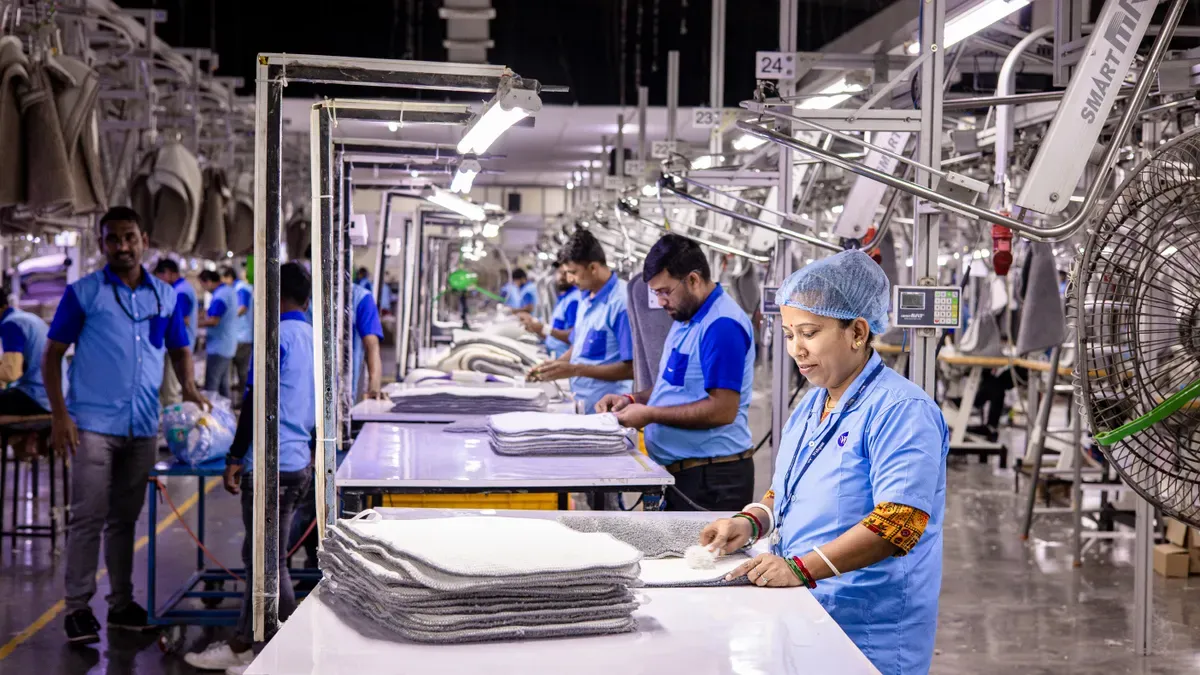
You need to know about different inspections in China. These inspections help keep your business safe. They also make sure your products are good quality. Each inspection has a special job in your supply chain. Good quality control checks lower risks. They also help your brand look better.
The most common inspections in China are:
-
Pre-production inspection: This checks materials and steps before making products.
-
During production inspection (DUPRO): This looks at product quality while making them.
-
Final random inspection (pre-shipment inspection): This checks finished goods before they leave the factory.
-
Container loading inspection: This makes sure the right products are packed and sealed for shipping.
Pre-Shipment Inspections
Pre-shipment inspection is the last check before shipping. You want to be sure your order is correct. Inspectors pick random products to check. They use rules like ISO 2859, ANSI/ASQ Z1.4, and MIL-STD-105E. These rules help decide how many items to check.
The team looks for defects and checks packaging. They also test if products work right. Inspectors take photos and write a report. The report says if your order passes or fails. In China, pre-shipment checks alone find about 12.4% defects. If you add during-production checks, defects drop to 7.5%. Using more than one inspection helps catch more problems.
FISHGOO gives you pre-shipment inspection services. You get clear photos, videos, and reports. These services let you see your products before they ship. This helps you avoid bad surprises.
During-Production Checks
During-production checks, or DUPRO, happen while making products. You can find problems early and fix them fast. This helps stop mistakes from getting worse. You save time and money by fixing things early.
Using during-production checks lowers the chance of many defects. This step makes your supply chain stronger. Third-party inspectors say to use DUPRO with pre-shipment checks. This gives you fewer defects and better quality.
FISHGOO offers strong checks during production. You can ask for photos and videos at any time. This helps you watch progress and make sure products are good.
Factory Audits
Factory audits give you a close look at your supplier. You want to know if the factory can meet your needs. Audits check equipment, staff training, and management. They also look at past work and safety rules.
You can use audits to compare suppliers. This helps you pick the best one. Regular audits keep suppliers honest and focused on quality. FISHGOO gives audit services too. You get reports and tips to improve your supply chain.
Inspection Workflow and Standards
You need a clear plan for inspections in China. This helps you get good results and avoid mistakes. Here is a normal inspection workflow:
-
You book the inspection and give product details.
-
The inspection team sets a date with the factory.
-
Inspectors pick random products using ISO 2859.
-
They check how products look, work, and are packed.
-
Inspectors sort problems as minor, major, or critical.
-
You get a report with photos, sizes, and pass or fail.
You should always use global standards for inspections. These include ISO 2859, ANSI/ASQ Z1.4, and MIL-STD-105E. These rules make sure checks are fair and right.
FISHGOO helps you at every step. You get inspection services that follow world standards. You can trust the results and make smart choices for your business.
Tip: Use more than one inspection type to lower defects and get better quality. Combine pre-shipment checks, during-production checks, and audits for the best results.
Setting Up China Quality Control Processes
Having a good quality control process keeps your brand safe. It also helps you avoid big mistakes. When you buy from China, you must check every step. This makes sure your products are good. Here are some steps to help you build a strong system:
-
Make clear rules for quality and know all product details.
-
Check your suppliers to see if they meet your needs.
-
Inspect products at different times during production.
Product Checklists
You should use a product checklist for each inspection. A checklist is a tool that helps everyone check the same things. It keeps you and your suppliers working together. Checklists help you:
-
Make sure every inspector looks for the same problems.
-
Keep product quality the same in every batch.
-
Talk better with suppliers and stop confusion.
-
Find problems early and stop recalls.
-
Make sure your products are safe and follow the rules.
A good checklist has all the important details. It lists size, color, materials, packaging, and special features. You can give this checklist to your suppliers before they start making products.
Supplier Communication
Talking well with suppliers in China helps you get better products. You need to tell them what you want in a clear way. The table below shows the best ways to work with suppliers:
|
Best Practice |
Description |
|---|---|
|
Clear Communication |
Use easy words and be polite to stop confusion. |
|
Respect Hierarchy |
Speak to your main contact to keep a good relationship. |
|
Use Visual Aids |
Add pictures or drawings to show what you want and help with language. |
|
Written Confirmation |
Send emails to make sure everyone agrees. |
|
Limit Points of Contact |
Choose one main person to stop mixed messages. |
These tips help your suppliers understand your inspection rules. This means you get better results and fewer mistakes.
Tracking Performance
You need to watch how well your suppliers do over time. Checking suppliers often helps you see if they follow your rules. You can use these numbers to see how they are doing:
-
How well equipment works
-
Percent of products that meet the rules
-
Shipments that are complete and on time
-
New products made
You can also use a table to track important things:
|
Metric Area |
Key Metrics |
|---|---|
|
Product Quality |
PPM, SCARs, money you get back for bad products |
|
Delivery |
On-time delivery, how long it takes, early shipments |
|
Cost |
Lower costs, good prices |
|
Responsiveness |
Help in emergencies, fast answers, paying on time |
|
Audit Results |
Quality systems, process control, safety |
Watching these numbers helps you know which suppliers need more help. You can use this information to make your inspection plans better and keep your products good.
Tip: Always look at your inspection results and talk to suppliers about how to get better. This keeps your supply chain strong and your customers happy.
Best Practices for Quality Control in China
Scheduling Inspections
You should plan inspections at the right times. Experts say to check products at different steps. Use a schedule that matches how much you make and important steps. The table below shows how to set up inspections for better results:
|
Step |
Description |
|---|---|
|
Match inspection times with how much you make. More products mean you need more checks. |
|
|
Critical Control Points |
Choose key steps in making products for checks. This helps you find problems early. |
|
Resource Availability |
Make sure inspectors and tools are ready to use. This stops delays and keeps things moving. |
Checking before, during, and after making products helps quality. You can find problems early and fix them fast.
Documenting QC Results
You must keep good records of every check. Good records help you track problems and show your products follow rules in China. You should:
-
Set up ways for supervisors to watch checks after shipping from start to end.
-
Send and look at inspection results quickly.
-
Keep full records for export and rule checks.
-
Check if your process works well.
When you write down QC results, it is easier to fix problems. You can also show customers you care about quality.
Integrating Feedback
You should use feedback from checks to help suppliers get better. Meet with main suppliers often. Show them numbers like defect rates and talk about what to fix. Ask suppliers to tell you how they solved problems. This builds trust and keeps your supply chain strong in China.
Tip: Share check results with suppliers and use feedback to make future orders better. This keeps your products safe and your brand strong.
You make a strong system when you follow these best steps. You protect your business and keep customers happy.
Common Pitfalls in China Quality Control
When you handle quality control in China, there are many hidden risks. If you know about these common problems, you can avoid big mistakes and keep your brand safe.
Over-Reliance on Factory QC
If you only trust the factory’s quality control, your business is not safe. Many factories care more about speed and saving money than your rules. Sometimes, factory QC teams do not work on their own. They might miss problems to finish orders fast. You could get a perfect sample, but the rest of the order is not as good. This happens when factories give you a “golden sample” but do not keep the same quality for all products.
You can see these problems in real life. For example:
-
Some companies had to recall products because they did not check suppliers well.
-
Weak checks and not looking into complaints can cause big trouble.
-
Problems in the supply chain can lead to more defects and recalls.
Tip: Always use independent inspections and check every batch, not just the first sample.
Neglecting Compliance Testing
If you skip compliance testing, you can get into serious trouble. If your products do not follow the rules in the country you ship to, you can lose money and face legal problems. Here is what can happen if you do not do compliance testing:
|
Consequence |
Description |
|---|---|
|
Shipment Rejection |
Products can be sent back at the port if they do not follow the rules. |
|
Customs Hold |
Customs can hold your shipments until they check the rules are met. |
|
Legal Penalties |
Not following the rules can mean big fines and legal trouble. |
|
Financial Loss |
Not following the rules can cost you over $10,000 for each shipment. |
|
Market Access Issues |
Not following the rules can stop you from selling in some places. |
You should always test your products for safety and legal rules before you ship them.
Ignoring Supplier History
If you do not look at a supplier’s history, you might get bad products. Suppliers who have made mistakes before may not get better. You could see more defects, late shipments, and hurt your brand’s name. Watching how suppliers do over time helps you find problems early and pick partners who care about quality.
-
Not checking old supplier problems can mean more defects.
-
You can have trouble if you do not know how your supplier did before.
-
Your brand can be hurt if customers get bad products.
Note: Always check supplier history and how they do before you order again. This helps you build a stronger supply chain.
Cost and Choosing a QC Partner
QC Costs and Budgeting
You should plan your quality control budget before buying from China. Quality control costs include inspection fees, travel, and reporting charges. If you want no surprises, set clear rules for product versions and defect types. This helps you know what you pay for and what to expect.
Here are steps to help you budget for QC:
-
Make detailed product specs, like drawings and materials.
-
Decide what counts as a defect for your products.
-
Tell your quality standards clearly to your sourcing company.
-
Ask for a list of all inspection and service fees.
-
Think about extra checks if your products are expensive or complex.
Tip: Good planning helps you avoid costly mistakes and keeps your supply chain strong.
Selecting Third-Party Inspectors
Picking the right third-party inspector is important for your business. You want a partner who protects your brand and gives honest results. Use these tips to make a smart choice:
-
Find someone with experience and a good reputation in your industry.
-
Check if the company has international accreditations and follows global standards.
-
Make sure they offer many inspection services for every stage of production.
-
Look at their inspection reports for clarity and detail.
-
Choose a partner with a strong network for global coverage.
-
Pick a company that communicates clearly and answers your questions fast.
A reliable inspector helps you catch problems early and keeps your products safe.
FISHGOO for Reliable QC and Fulfillment
FISHGOO gives you a cost-effective way to manage quality control and fulfillment. You get more than just inspections. FISHGOO acts as your shopping and fulfillment agent in China. You can buy from top Chinese marketplaces with help from experts.
With FISHGOO, you get:
-
Services for buying, quality checks, warehousing, and shipping.
-
Professional help with buying and supplier communication.
-
Quality checks with clear photos and videos.
-
Parcel consolidation to save on shipping costs.
-
Easy tracking and management of your orders.
FISHGOO makes it easy to control costs and keep your supply chain running well. You can focus on growing your business while FISHGOO handles the details.
You keep your brand safe by using good quality control in China. This helps you avoid extra costs and makes your supply chain strong. The table below shows important points for importers and ecommerce brands:
|
Key Takeaway |
Description |
|---|---|
|
Transparency in Commission Structures |
You know what things cost and stop surprises. |
|
Depth of Factory Networks |
You get trusted suppliers and better products. |
|
Effective Quality Control |
Trained inspectors check products carefully. |
You can do these things to succeed:
-
Make clear rules for your products.
-
Talk with suppliers often.
-
Watch how suppliers do and use feedback.
FISHGOO helps you buy products, check quality, store goods, and ship worldwide. You get 5 free QC photos, 90 days to store items, and over 2,000 shipping choices. This makes your supply chain safer and smarter.
FAQ
What is quality control in China?
Quality control means checking products to make sure they meet your standards. You use inspections, audits, and tests to find defects before shipping. This protects your brand and keeps customers happy.
How does FISHGOO help with quality control?
FISHGOO checks products with photos and videos. You get clear reports before shipping. FISHGOO also audits suppliers and manages storage. You can trust your supply chain with these services.
When should you schedule inspections?
You should schedule inspections before, during, and after production. Early checks help you catch problems fast. Final checks make sure products are ready for shipping.
Tip: Use more than one inspection to lower risks.
What happens if you skip compliance testing?
|
Risk |
Result |
|---|---|
|
Shipment Hold |
Customs delays your products |
|
Legal Trouble |
You pay fines or lose money |
|
Market Loss |
You cannot sell in some places |
Skipping compliance testing can hurt your business.