
Choosing between one-piece fulfillment vs bulk inventory has a significant impact on your business operations, costs, and customer satisfaction. The decision between one-piece fulfillment vs bulk inventory can influence inventory accuracy, which for most companies is below 80%. Excess inventory can drive storage costs up by as much as 30%, while stockouts can result in nearly $1 trillion in lost sales annually. With the rapid growth of online shopping, customers now expect faster delivery, with desired shipping times dropping from 6.6 days to just 4.2 days. Selecting the right order fulfillment model—whether one-piece fulfillment vs bulk inventory—is crucial to staying competitive. FISHGOO’s global fulfillment expertise can guide you in making the best choice for your business.
Key Takeaways
-
One-piece fulfillment lets you process orders fast. You do not need to keep extra inventory. This is good for small businesses and dropshipping.
-
Bulk inventory gives faster shipping. It also gives better prices from suppliers. This works well for businesses with steady sales and many orders.
-
Think about your business type and how many orders you get. This helps you pick a fulfillment model. One-piece is flexible. Bulk gives more control and is efficient.
-
Good inventory management is important for both models. It helps lower costs and keeps customers happy.
-
FISHGOO helps with both fulfillment methods. They help businesses work better and change as they grow.
One-piece Fulfillment vs Bulk Inventory Overview
What is One-piece Fulfillment
One-piece fulfillment means you send out each order right after someone buys it. You do not keep a lot of products in your fulfillment center. Instead, you pick, pack, and ship items one at a time. This way works well for e-commerce businesses that do not want extra stock. You can fill orders fast and pay less for storage. Many dropshipping sellers use this method to stay flexible and lower their risk.
What is Bulk Inventory
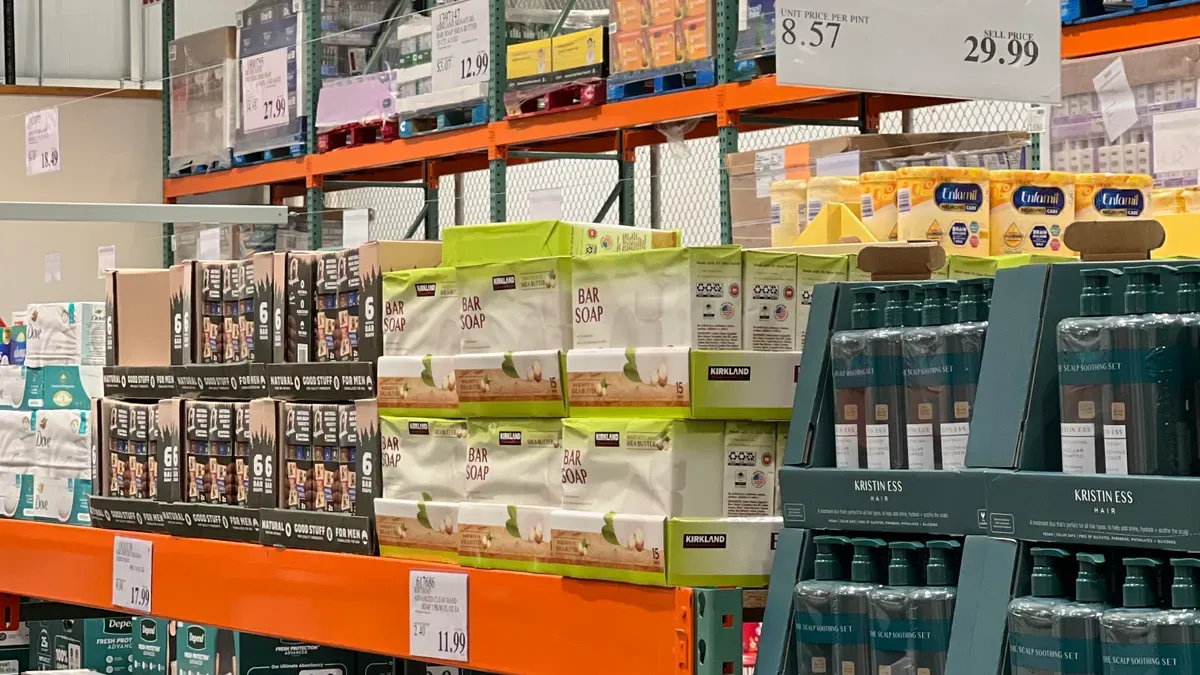
Bulk inventory means you keep many products in your fulfillment center before people buy them. You buy lots of items at once and store them for quick shipping. This model helps you get better deals from suppliers and makes sure you always have products ready. Bulk inventory is best for businesses with steady sales and popular items. You can ship orders fast because the products are already in your warehouse.
Quick Comparison Table
Here is a simple table that shows the main differences between one-piece fulfillment and bulk inventory. FISHGOO supports both models for global e-commerce businesses. You can use FISHGOO’s fulfillment center in China or Spain to handle your inventory, check quality, and make shipping better.
|
Feature |
One-piece Fulfillment |
Bulk Inventory |
|---|---|---|
|
Inventory Storage |
Minimal, order-by-order |
Large quantities stored in fulfillment center |
|
Upfront Cost |
Low |
Higher (due to bulk purchasing) |
|
Order Processing Speed |
Slower (per order) |
Faster (items ready to ship) |
|
Flexibility |
High, easy to scale or change products |
Lower, best for stable product lines |
|
Risk of Overstock |
Low |
Higher |
|
Per order |
Batch and route optimization |
|
|
FISHGOO Support |
Yes, for global e-commerce and dropshipping |
Yes, for wholesale and steady sales |
FISHGOO helps you work with suppliers, check product quality, and manage storage. You can use their fulfillment center to send orders straight to the US and EU. This makes your fulfillment process easy and dependable.
Key Differences in Fulfillment Models
Cost and Pricing
You should know how costs work for each model.
-
One-piece fulfillment keeps less inventory on hand. This makes managing inventory easier. It also helps you see your supply chain better.
-
Bulk inventory means you buy a lot at once. You can get lower prices from suppliers. But you might pay more for shipping. You could also have cash flow problems if you buy too much.
-
Both models need good inventory management. This affects shipping, labor, and customer happiness.
FISHGOO’s B2B services help you save money. They give you 100 days of free storage and help plan shipping routes.
Speed and Efficiency
Speed is important in fulfillment.
-
One-piece fulfillment sends orders right to customers. You do not store lots of products until you know they sell.
-
Sourcing services like FISHGOO can group shipments together. This gets you better shipping prices. It lets you focus on growing your business, not just shipping.
-
Both models can process orders fast. Bulk inventory is often faster because items are ready to go.
Flexibility and Scalability
|
Feature |
One-Piece Fulfillment |
Bulk Inventory Model |
|---|---|---|
|
Limited by inventory caps |
High, can store large quantities |
|
|
Flexibility in Stock Levels |
Needs planning and limits |
Flexible, can adjust storage easily |
|
Distribution Speed |
Slower, depends on stock sent |
Fast, can quickly distribute |
One-piece fulfillment lets you change products easily. Bulk inventory helps you grow and handle big sales.
Error Rates and Quality
You want your orders to be correct.
-
Quality checks should happen at many steps. Not just at the end.
-
Most companies want a pick accuracy of 99.5% or more.
-
Good inventory management keeps mistakes below 2%.
-
You should watch for damage and use strong packaging. FISHGOO checks quality and offers custom packaging to help you.
Storage and Space
|
Billing Model |
Description |
Cost Implication |
|---|---|---|
|
Charges based on the actual space occupied by products. |
Costs decrease as inventory decreases, making it more flexible for varying needs. |
|
|
Per Pallet per Month |
Charges a flat rate for each pallet position occupied, regardless of fullness. |
Simpler calculation but can lead to higher costs if pallets are not fully utilized. |
One-piece fulfillment uses less space, so storage costs are lower. Bulk inventory needs more space, but you save if pallets are full. FISHGOO’s warehouses in China and Spain give you flexible choices for both models.
Pros and Cons of Each Fulfillment Model
One-piece Fulfillment Pros & Cons
You might ask if one-piece fulfillment is right for you. This model gives you more freedom and control. You can switch products fast. You do not need to keep lots of inventory. Many online sellers use this way to lower their risk. They also keep their business simple.
Here is a table that shows the main good and bad points:
|
Advantages |
Disadvantages |
|---|---|
|
Industry expertise |
Loss of control over fulfillment process |
|
Multiple warehouse locations |
|
|
Shipping discounts |
|
|
Improved data |
|
|
Scalability |
Tip: One-piece fulfillment is great if you want to try new products. It helps your business stay flexible. You can grow or shrink your business easily.
Bulk Inventory Pros & Cons
Bulk inventory helps you ship orders quickly. You can save money when you buy a lot at once. You can keep popular items ready and avoid running out. This model works best if you sell often and know what your customers like.
Here is a table that shows the main good and bad points:
|
Advantages |
Disadvantages |
|---|---|
|
Fast Order Fulfillment |
Risk of Overstock |
|
Reduced Shortage Risk |
Cash Flow Issues |
|
Quantity Discounts |
Obsolescence |
Note: Bulk inventory lets you get better prices from suppliers. You must watch your stock closely. This helps you avoid extra costs or unsold items.
When you look at one-piece fulfillment vs bulk inventory, you see each has its own strengths. Pick the model that fits your business goals and how many orders you get.
Choosing the Right Fulfillment Model for Your Business
Business Type and Order Volume
You need to pick a fulfillment model that matches your business. If you run a small online store or dropshipping, you may not want lots of inventory. One-piece fulfillment is good for you. You can handle orders as they come in. You do not worry about having too much stock. This keeps your costs low.
If you have a wholesale business or lots of orders, bulk inventory gives you more control. You can buy many products at once and keep them in a fulfillment center. This helps you ship orders fast and meet customer needs. You also get better prices from suppliers when you buy in bulk.
Tip: Check your average monthly orders. If you see steady growth or lots of orders, bulk inventory may work better for you.
Inventory and Product Characteristics
Look at your products before picking a fulfillment model. Some items sell fast and need quick restocking. Others sell slowly or take up lots of space. The table below shows which model fits different product types:
|
Fulfillment Method |
Best Suited For |
Key Characteristics |
|---|---|---|
|
FBA |
High-Velocity Items |
Large items with high sales volumes and good inventory turnover. |
|
FBM |
Bulky or Slow-Moving |
Large, heavy, or low-margin products that sell slowly and need better logistics. |
|
SFP |
High-Value or Bulky |
High-value or bulky items that need fast shipping but avoid high fulfillment fees. |
If you sell fast-moving products, bulk inventory helps you keep up with demand. If you sell unique or seasonal items, one-piece fulfillment gives you more flexibility.
Budget and Growth Plans
Your budget affects your fulfillment choices. You must balance spending with your business goals. Here are some points to think about:
-
Match your marketing and finance plans so you do not spend too much.
-
Set clear growth goals. Your fulfillment model should help you reach them.
-
Plan for limits. Make sure your budget covers storage, shipping, and labor.
If you want to grow fast, bulk inventory lets you scale up quickly. If you want to try new products or keep costs low, one-piece fulfillment gives you more control.
Customer Expectations
Customer expectations affect your fulfillment choices. You want to meet or beat what buyers expect. Here are some ways expectations matter:
-
Customers buy based on how well you meet their needs.
-
Happy customers come back and buy again.
-
Meeting expectations builds trust and loyalty.
-
Unhappy customers can hurt your brand with bad reviews.
-
Knowing what your customers want helps you plan your business.
-
Doing better than expected gives you an edge over others.
Pick a fulfillment model that helps you keep your promises. Fast shipping and correct orders make customers happy.
FISHGOO B2B Commercial Services Advantage
FISHGOO’s B2B services support both one-piece fulfillment and bulk inventory. You get flexible solutions for every stage of your business. The table below shows how FISHGOO gives you an advantage:
|
Advantage |
Description |
|---|---|
|
0% Service Fee |
You only pay for the product and international shipping. No extra cuts per order. |
|
5 Free QC Photos |
You get clear photos to check your items before shipping. This reduces returns and complaints. |
|
Payment Flexibility |
You can pay with PayPal at no extra cost. The listed price is what you pay. |
|
Total Cost Evaluation |
You see the total shipment cost up front. This helps you make smart financial choices. |
|
Extensive Shipping Options |
You can choose from over 2,000 shipping routes. Pick the best price and speed for your needs. |
FISHGOO helps you manage inventory, quality, and shipping. You can grow your business around the world with confidence. You get support for both one-piece fulfillment and bulk inventory. You can switch models as your needs change.
Real-world Scenarios and Solutions
E-commerce and Dropshipping
You have an online store. You want to ship items fast but not keep extra stock. One-piece fulfillment is a good choice for you. You put products on your website. When someone buys, you send the order from the supplier. This way keeps your business flexible. You can try new products with little risk. Many dropshipping sellers use this method. You do not pay for storage or waste inventory. FISHGOO helps you find good suppliers and handle orders. You can spend more time on marketing and helping customers.
Tip: One-piece fulfillment is great for sellers who want to grow quickly and save money.
Wholesale and Bulk Orders
You run a retail chain or sell lots of products. Bulk inventory gives you more control over your stock. You buy many items at once and keep them in a fulfillment center. This model lets you ship orders fast. You also get better deals from suppliers. Many wholesale businesses use bulk inventory to meet steady sales.
|
Example Description |
Outcome |
|---|---|
|
Retail chain aligning discount offerings with demand forecasting |
|
|
Furniture retailer using tiered pricing based on quantity |
Enhanced customer retention and increased sales volume |
Bulk inventory helps you avoid running out of products. You can give discounts and keep your customers happy. FISHGOO’s warehouses in China and Spain help with bulk storage and quick shipping.
Hybrid Fulfillment Approaches
You want both speed and savings. Hybrid fulfillment uses one-piece fulfillment and bulk inventory together. You use SKU data to balance costs and benefits. Fast-selling SKUs go to FBA for quick shipping. Slow-selling items or big orders use a 3PL for better storage and shipping.
|
Evidence Description |
Explanation |
|---|---|
|
Strategic allocation of inventory |
This way lets you send fast-selling items quickly and store slow ones cheaply. |
|
Offloading logistics burden |
Retailers can use partners or their own team to handle shipping, making everything work better. |
-
Hybrid fulfillment helps you manage shipping and storage well.
-
You can grow your business and keep costs low.
Note: FISHGOO’s platform works with hybrid fulfillment. You can split inventory by demand and use special partners for shipping.
Fulfillment Optimization Tips with FISHGOO
Streamlining Operations
You can make your fulfillment process easier with smart steps. FISHGOO helps you put small orders together into one shipment. This saves time and makes customs simpler. You get quality checks at every stage. FISHGOO looks at products and checks factories to make sure items are good. Working with logistics partners makes shipping faster and more reliable. The table below shows how these steps help:
|
Strategy |
Description |
|---|---|
|
Consolidation |
Puts small orders into one shipment. This lowers shipping costs and makes customs easier. |
|
Quality Inspection |
Checks products and factories to keep high standards. |
|
Leveraging Partnerships |
Uses logistics partners for faster and better fulfillment. |
Reducing Costs
You can spend less on fulfillment by using different ways. FISHGOO lets you build bigger parcels by collecting items before shipping. This spreads shipping costs over more products. You can make packages smaller to save money. Strong packaging keeps fragile goods safe, and waterproof sealing protects items on long trips. Balancing weight helps you avoid higher shipping fees. Here are some ways to save money:
-
Put many items into fewer shipments.
-
Make packages smaller to save money.
-
Use strong packaging for fragile goods.
-
Seal packages to protect them during long trips.
-
Balance weight to pay less for shipping.
Enhancing Customer Satisfaction
You want your customers to be happy with every order. FISHGOO uses a smart warehouse system to check products and confirm quality. You get clear photos before shipping. Putting items together and making packaging better keeps products safe and costs low. The global dispatch layer gives express and standard shipping with tracking updates. Fast order processing keeps waiting time short. Clear pricing shows all costs upfront, so you can make smart choices. Risk control systems help stop bad deliveries and damage. The table below shows these ways:
|
Technique |
Description |
|---|---|
|
Warehouse Intelligence System |
Checks products and gives visual proof. |
|
Consolidation & Packaging Optimization |
Puts items together and makes packaging safer for travel. |
|
Global Dispatch Layer |
Gives shipping choices and tracking updates. |
|
Time Efficiency Model |
Processes orders fast to keep waiting time low. |
|
Transparent Pricing Model |
Shows all costs upfront for smart decisions. |
|
Risk Control System |
Helps stop bad deliveries and damage during transit. |
Tip: Use FISHGOO’s platform to make fulfillment easier, spend less, and keep your customers happy.
You need to pick a fulfillment model that fits your business. One-piece fulfillment is good if you want to be flexible and take less risk. Bulk inventory is best for steady sales and quick shipping. Choosing the right model helps you:
-
Work better and save money
-
Keep track of products and send orders fast
-
Make customers happy with correct packaging
FISHGOO helps you with both models. You can grow your business and feel sure about your choice.
FAQ
What is the main difference between one-piece fulfillment and bulk inventory?
With one-piece fulfillment, you send out each order right away. Bulk inventory means you keep lots of products in storage and ship them fast. Pick the model that matches how many sales you have and what your business needs.
How does FISHGOO help with quality control?
FISHGOO checks your products before they ship. You get clear photos and reports about your items. This helps stop mistakes and makes your customers happy.
Can I switch between fulfillment models with FISHGOO?
You can change your fulfillment model whenever you want. FISHGOO lets you use both ways. You can change your plan as your business gets bigger.
What are the benefits of using FISHGOO’s warehouses?
You can use warehouses in China and Spain. You get 100 days of free storage. You ship orders faster and keep track of your products easily.